

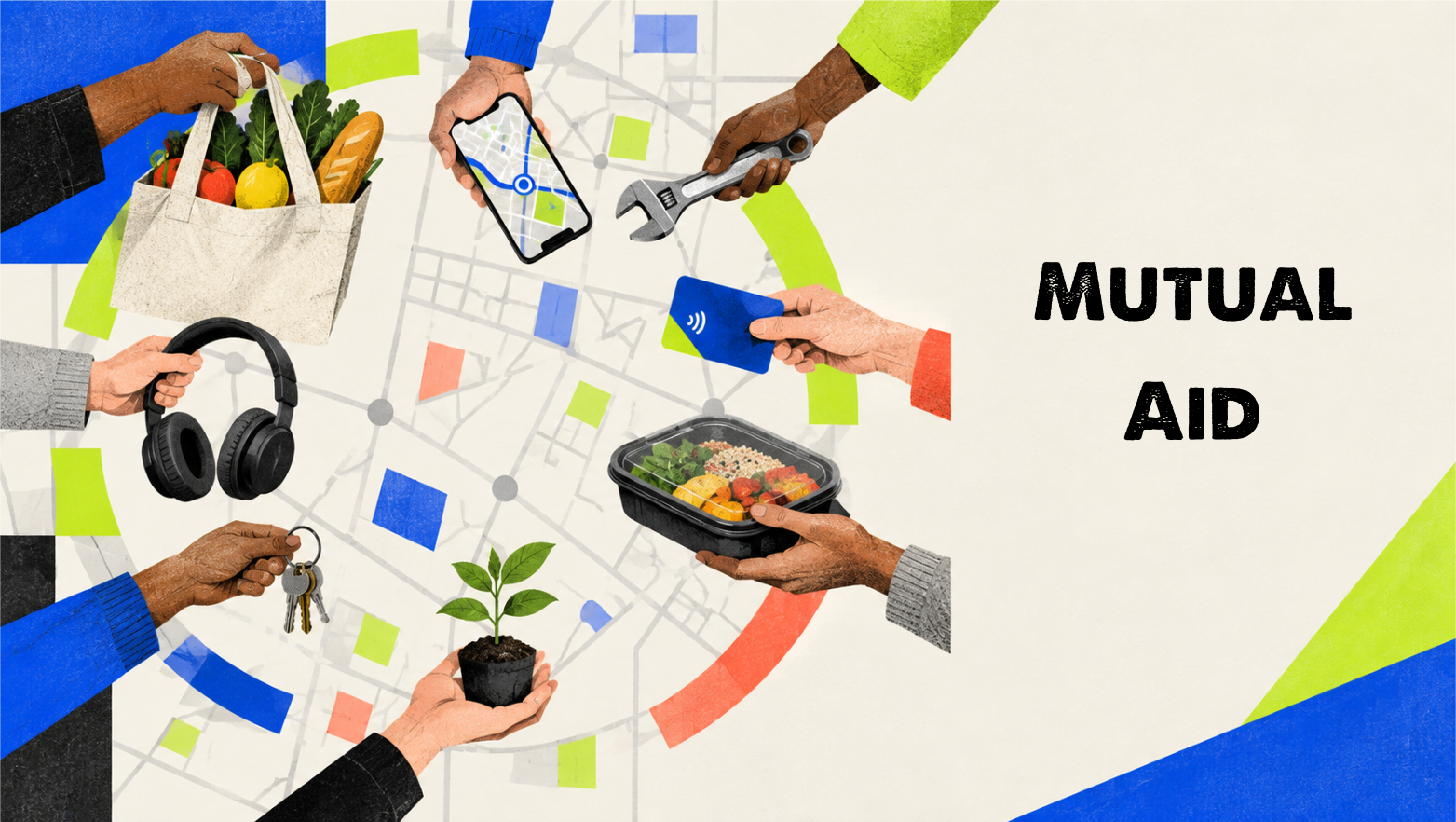
When formal systems are slow, conditional, overwhelmed, or absent, people often organise for one another. Mutual aid is the practical work of meeting needs together: sharing food, transport, childcare, medicine, information, money, skills, and solidarity, without treating those receiving support as passive recipients.
This project looks beyond charity as a one-way transaction. It explores mutual aid as a relationship of shared responsibility — built on the understanding that anyone can need help, and everyone may have something meaningful to offer. From neighbourhood support groups and emergency relief networks to tenant organising, migrant solidarity, disability justice, and community kitchens, it follows people responding collectively to problems that institutions too often individualise.
Mutual Aid documents what works, what becomes difficult, and what communities learn while organising under pressure. It asks how acts of immediate care can also build longer-term confidence, connection, and power — especially when people refuse to accept abandonment, austerity, or division as inevitable.