

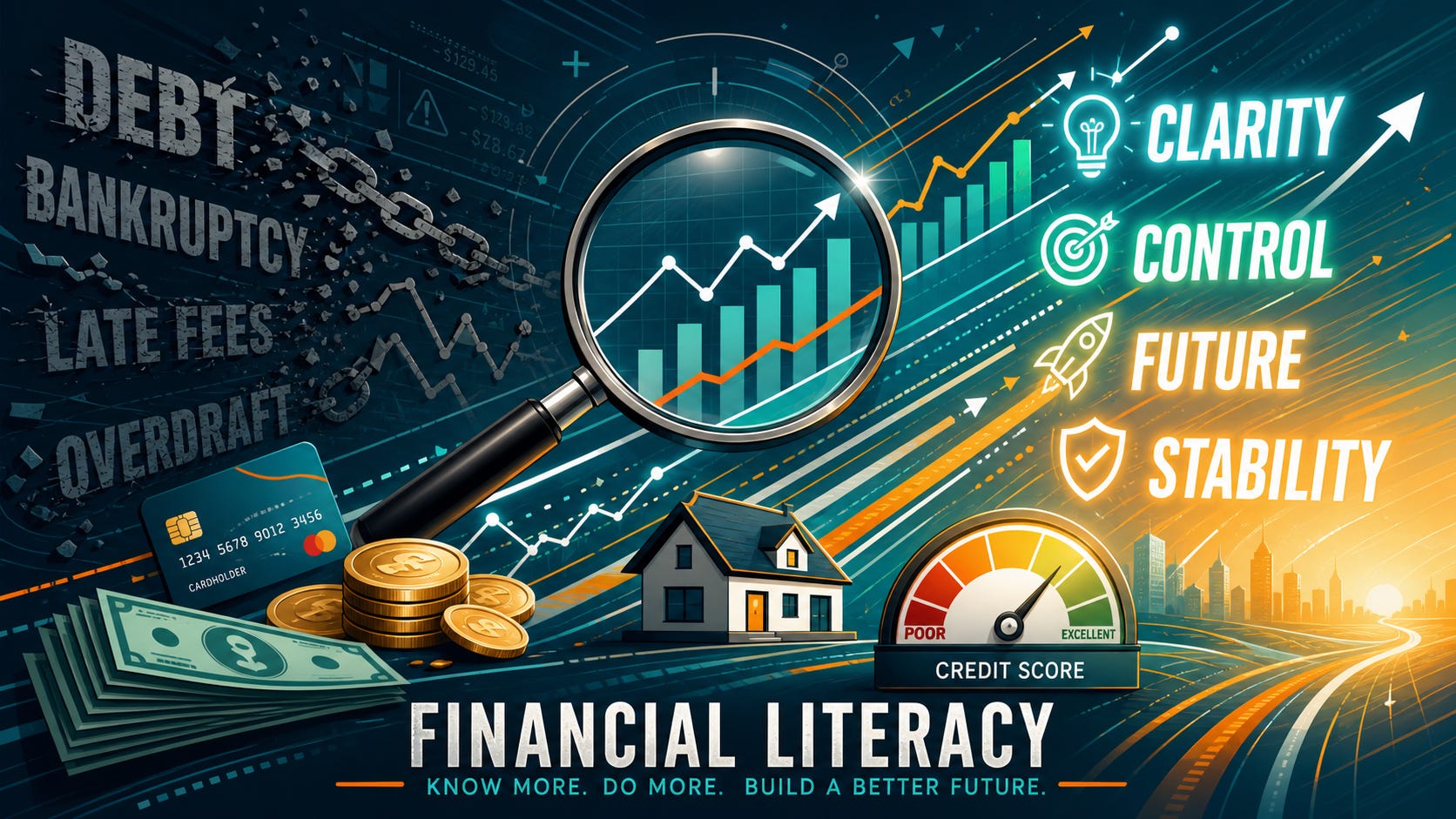
The theatre of money is changing faster than most people can keep up with—contactless taps instead of cash, credit scores deciding life chances, algorithms trading in microseconds, and entire generations wondering if they’ll ever own a home or escape debt. Behind the branding and financial jargon, ordinary people are trying to navigate wages that lag behind costs, precarious work, rising rents, and the constant pressure to consume more just to feel “secure.”
This project treats financial literacy as a tool for dignity, not as a way to turn everyone into miniature capitalists. It explores how we can understand money without worshipping it: reading bills and bank statements, decoding credit reports, questioning debt, and learning the basics of savings, borrowing, and investment in ways that prioritize equality, equity, and collective wellbeing over individual extraction. It looks at the stories behind numbers—how finances shape mental health, family life, and community resilience—and how transparent, shared knowledge can turn shame and confusion into clarity and mutual support.