

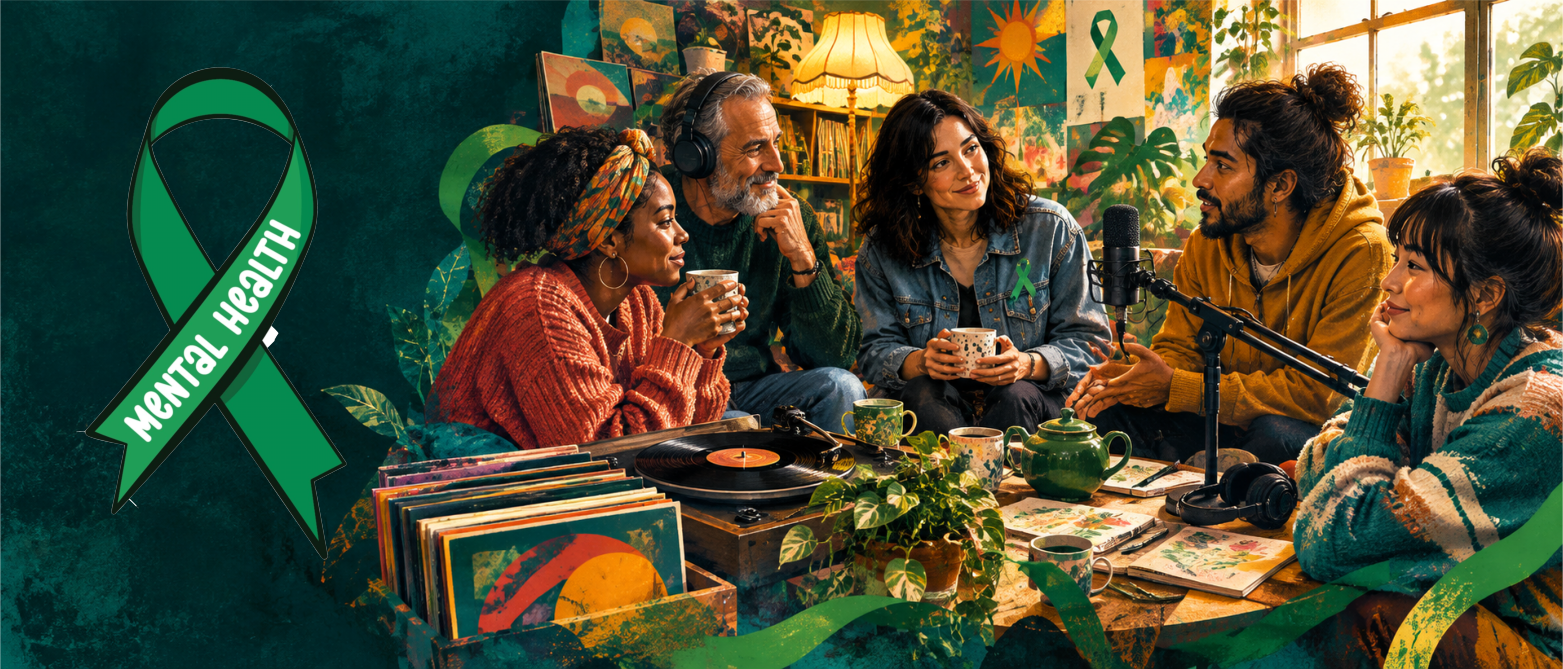
In any country where people can wait months or years to access psychological therapies and specialist support, acknowledging how you feel is not a luxury—it’s a survival skill.
Local projects like The Anchor in Inverclyde and wider suicide‑prevention initiatives show how much it matters to have somewhere to turn when the system is overwhelmed: places that listen without judgement, help people feel safe, and make it possible to say “I’m not okay” without shame or fear.
This project recognizes the courage it takes to notice when life feels unbearable, to speak that truth out loud, and to seek support—whether that’s crisis lines, grassroots suicide‑prevention movements like Find Your Anchor, or informal networks of friends, peers and community groups. It treats “not being okay” as a human reality, not a personal failure, and explores how community tissue of care—listening spaces, peer groups, creative projects, and everyday check‑ins—can hold people while they navigate long waits, complex systems, and periods of feeling lost or weak.