

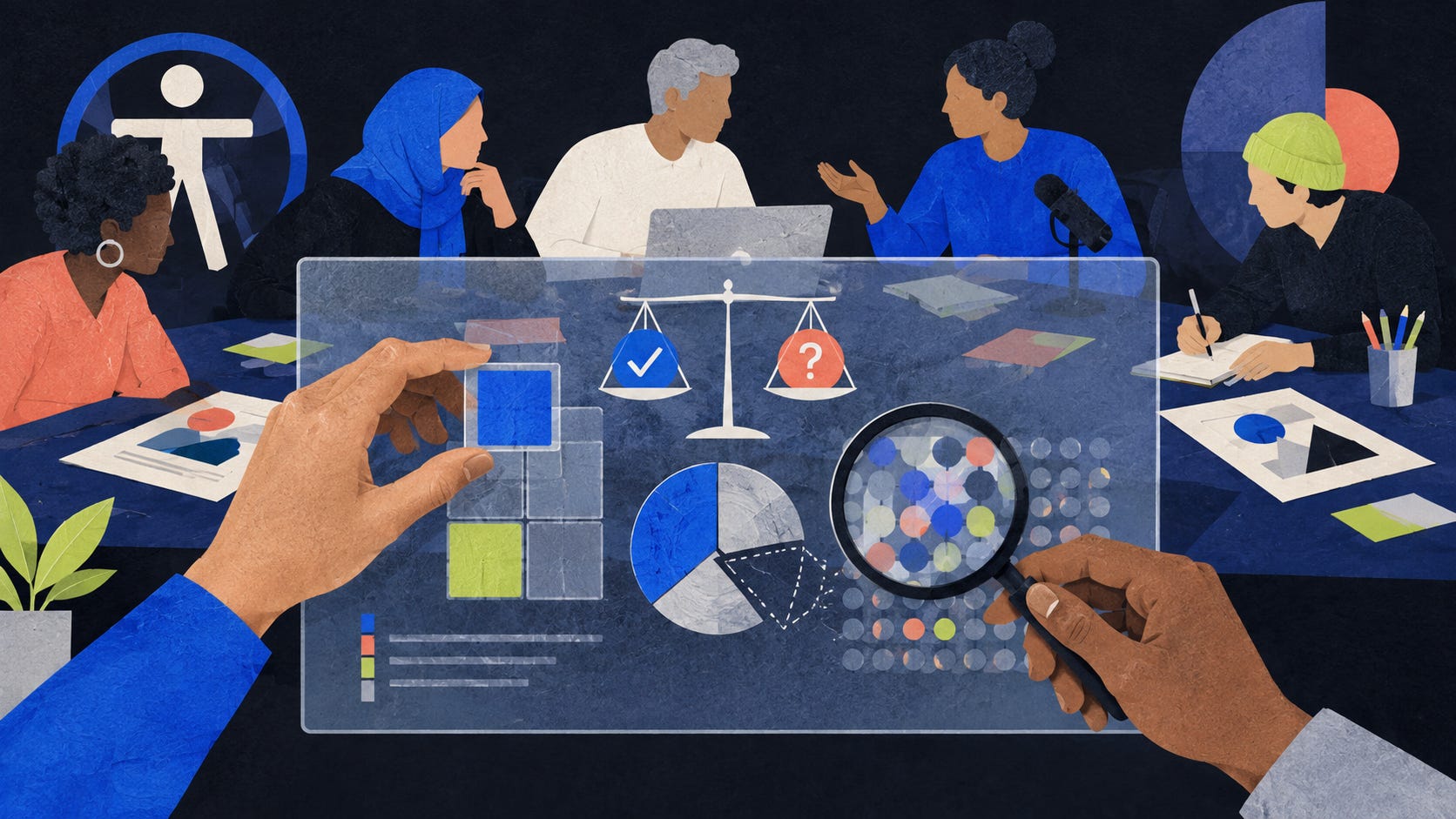
Artificial intelligence is already shaping how people work, learn, communicate, access services, and understand the world. It can support creativity, accessibility, research, translation, and routine tasks. But it can also reproduce bias, spread misinformation, extract labour and data, concentrate power, and make important decisions less transparent.
This project approaches AI neither as magic nor as something to reject automatically. It asks who designs these systems, whose data and labour make them possible, who benefits, and who carries the risks when they fail. It explores practical questions about accuracy, consent, copyright, surveillance, accessibility, environmental cost, misinformation, automated discrimination, and the right to challenge decisions made with algorithmic tools.
Ethical AI Use & AI Shortfalls focuses on informed, accountable practice. It documents ways that communities, educators, artists, workers, and public-interest groups can use AI transparently and critically — keeping human judgement, lived experience, consent, and collective responsibility at the centre. The aim is not blind adoption or blanket fear, but technology that genuinely serves people rather than extracting from them.